
New Wine ("Federweißer")
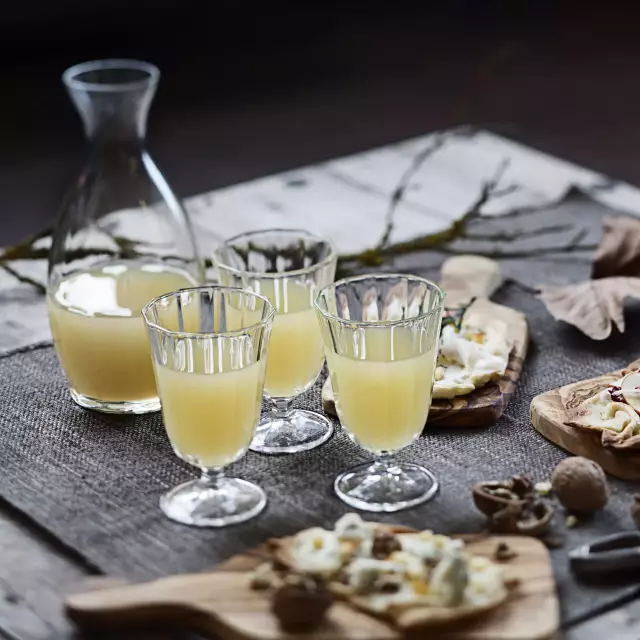
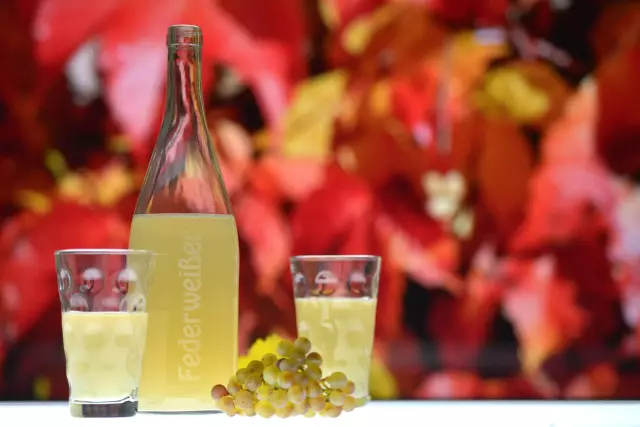
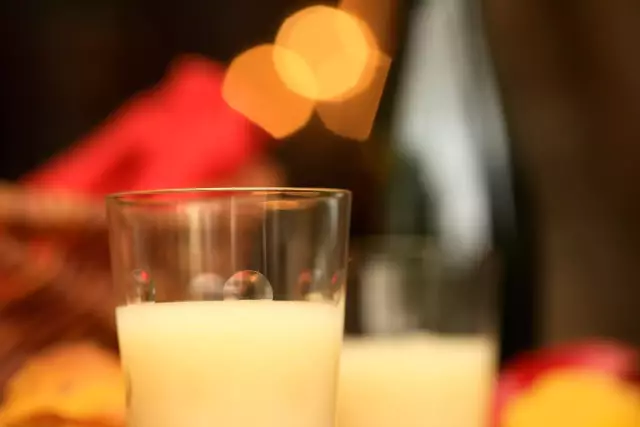
If you hold the glass to your ear, Federweißer (new wine) sounds like murmuring waves. When the time of the grape harvest has come, you can get 'Rauscher', 'Sauser' or 'Brauser', these local terms are used for Federweißer in Germany, on every street corner.
Facts
-
5 %
by volume alcohol content
-
around 2
million liters are sold annually in Rhineland-Palatinate
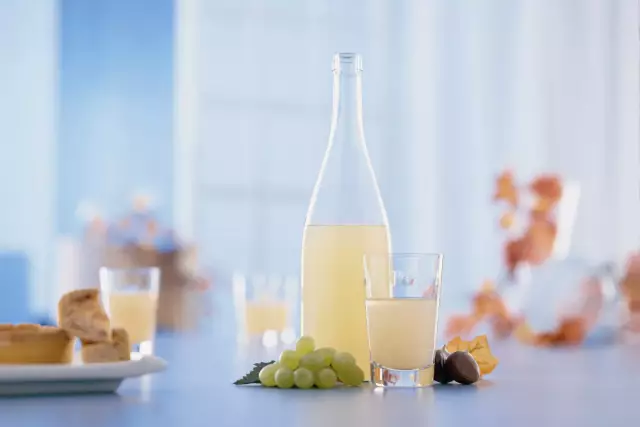
Steffen Schindler, marketing director for Wines of Germany (DWI), puts it this way: “Federweißer is a pleasure that defines autumn and the grape harvest just as much as a delicious onion tart.” Ideally, you drink Federweißer when it has come half way between grape juice and wine, when sweetness, alcohol content and fruit acidity are well balanced. At this stage, its alcohol content amounts to around 5 % vol. watch video (German language / subtitles)
How to handle Federweißer correctly
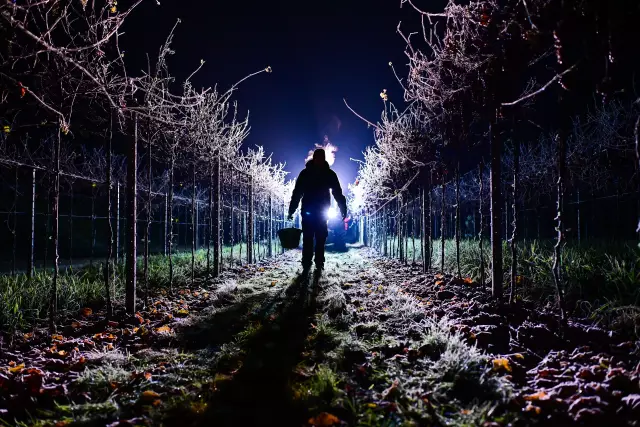
Owing to the high demand for the new wine, Federweißer is on offer all over Germany these days and can be bought in supermarkets as well as specialist wine stores. But you have to be careful when you buy it: Since fermentation continues inside the bottle, it should always be sealed with a closure that is permeable to air, so the carbonic acid can escape. The bottle should be transported standing upright at all times. Wines of Germany recommends to taste a little of the Federweißer once you have reached home. If it tastes just right: Straight into the fridge it goes, because the cold puts a stop to the fermentation process and you will be able to enjoy a perfect Federweißer for a little longer. (Video of Federweisser harvest)
If the Federweißer still tastes too sweet, keep it at room temperature and have another taste after 6-8 hours. Once the perfect degree of sweetness has been achieved, store the Federweißer in the fridge.
How much Federweißer is sold per year?
In Rhineland-Palatinate alone, about two million liters of Federweißer are sold every year.
Varietals

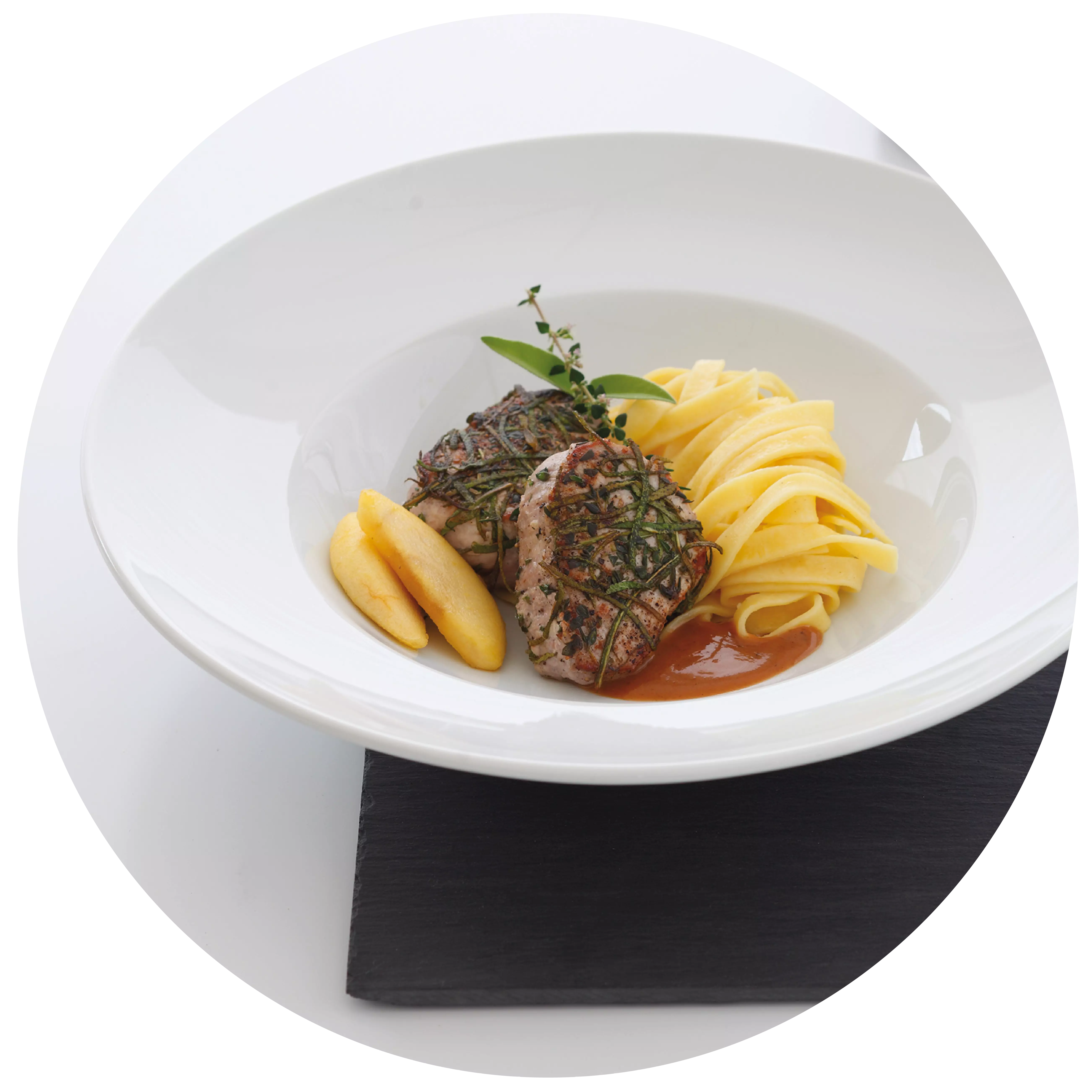
with apples Pork medallions
with apples
- 8 Stück Schweinemedaillons
- 500 Gramm Bandnudeln
- 2 große Äpfel
- 200 ml Sahne
- 10 Blättchen frischer Salbei
- 4 Zweige frischer Thymian
- nach Geschmack Zucker
- 3 EL Calvados
- 1 EL Öl
- zum Abschmecken Salz & Pfeffer
Slightly pepper and salt the medallions on both sides. Pluck the thyme, cut the sage into fine strips and roll the medallions in the herbs. Fry the meat in a pan with a little oil on both sides, not too hot, until it starts to colour. Remove from the pan and place on a preheated tray in the oven at 100 °C until cooked through.
Cook the tagliatelle al dente and keep warm.
In the meantime, peel the apples and cut into slices approx. 1.5 cm wide. Reheat the meat pan and add the apple slices. After about half a minute, sprinkle 1 teaspoon of sugar over the apples and allow them to caramelise. After a minute, deglaze the apple slices with a generous dash of Calvados and flambé. Add the cream and flavour with salt and pepper.
Remove the fillet from the oven. Add the meat juices from the oven dish to the sauce and serve the fillets with the tagliatelle, apple slices and Calvados apple sauce.
<p- Riesling (trocken)
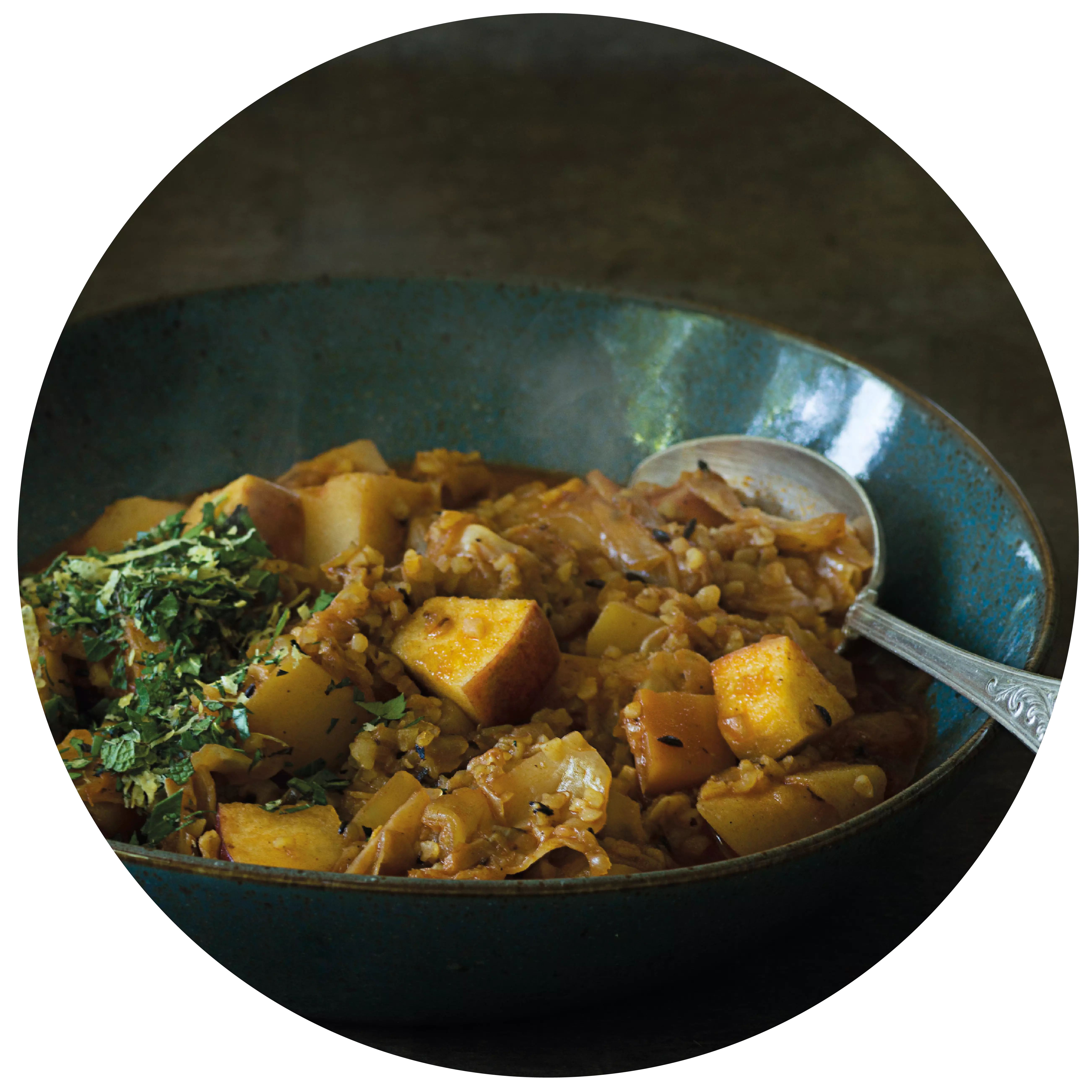
with bulgur Cabbage stew
with bulgur
- 200 Gramm Zwiebeln
- 1 ganze Knoblauchzehe
- 800 Gramm Spitzkohl
- 200 Gramm Möhren
- 400 Gramm festk. Kartoffeln
- 1 EL Kümmelsaat
- 1,5 Liter Gemüsefond
- 5 EL Olivenöl
- 2 EL Tomatenmark
- 2 EL edelsüßes Paprikapulver
- 3 TL Honig
- nach Belieben Salz & Pfeffer
- 120 Gramm grobe Bulgur
- 1 Bund Petersilie
- 4 Stiele Minze
- 1 ganze Zitrone
- 2 ganze Äpfel
- 3 EL Obstessig
Finely dice the onions and garlic. Clean, wash and quarter the cabbage, remove the stalk and roughly chop the cabbage quarters. Peel the carrots, halve lengthways and cut into approx. 2 cm wide pieces. Peel the potatoes and cut into approx. 2.5 cm pieces. Fry the carrots in a pan without fat and set aside.
Heat the vegetable stock in a small pan. Heat 3 tablespoons of oil in a large pan, sauté the cabbage in it for 10-15 minutes over a high heat until dark brown and remove from the pan.
Add the remaining oil to the pan. Fry the onions and garlic until translucent. Add the potatoes and muesli and sauté for 3-4 minutes, stirring constantly. Add the tomato purée and paprika powder and fry while stirring. Add the cabbage, honey and caraway and pour in the hot vegetable stock. Season with salt and pepper. Bring to the boil, cover and simmer for 45 minutes. Add the bulgur 20 minutes before the end of the cooking time.
Quarter the apples, remove the seeds, cut into approx. 1 cm cubes and add 10 minutes before the end of the cooking time. Pluck the herbs and chop medium-fine. Wash and dry the lemon, finely grate the zest and mix with the herbs. Flavour the stew with vinegar, salt and pepper and serve sprinkled with the herbs.
Tip: The pointed cabbage must be roasted really strongly and dark so that the aromas come out well.
- Spätburgunder / Pinot Noir (trocken)
- Trollinger (trocken)
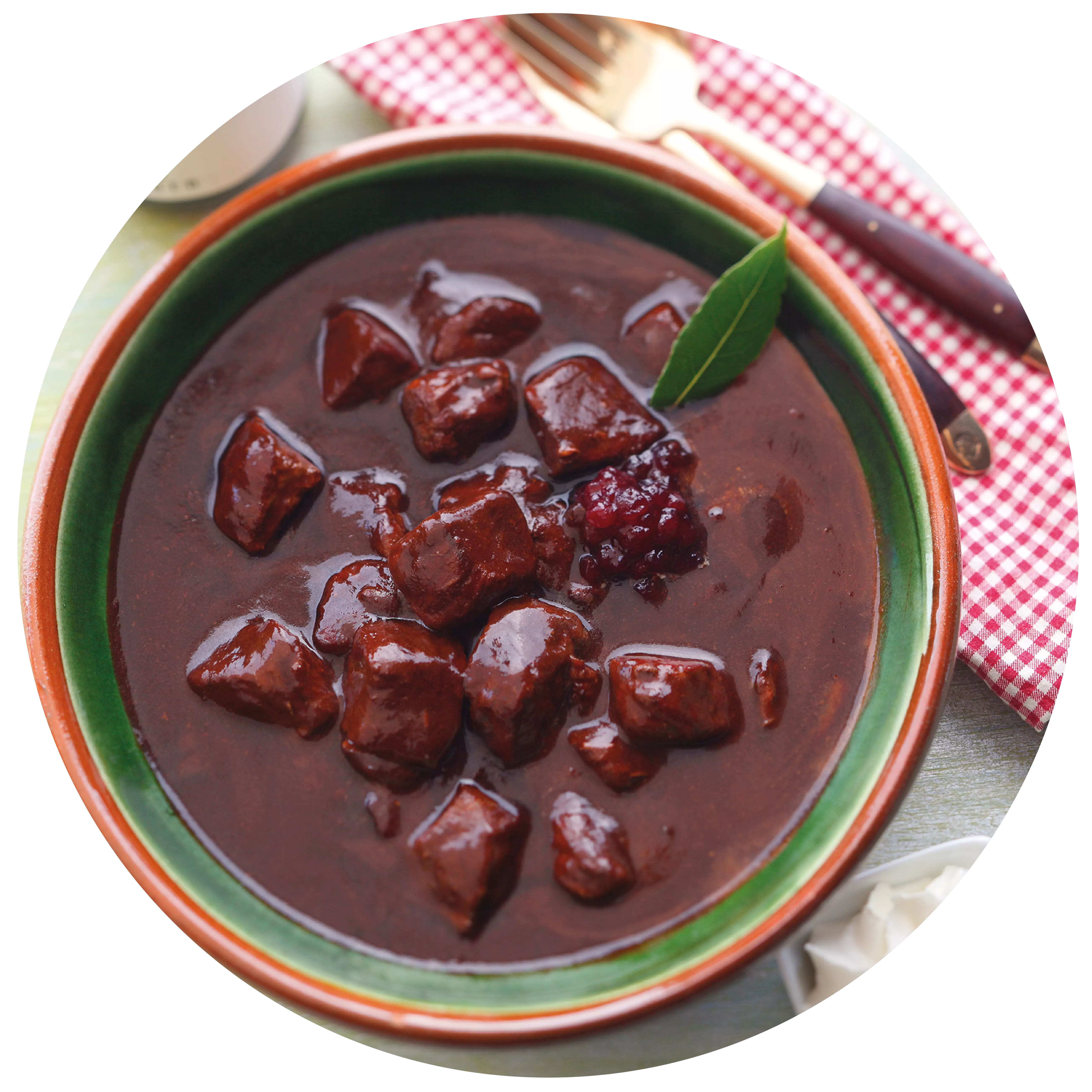
with strong red wine Wild boar ragout
with strong red wine
- 800 Gramm Fleisch vom Wildschwein (Keule o. Schulter)
- 80 Gramm Bauchspeck
- 100 Gramm Zwiebeln
- 60 Gramm Karotten
- 60 Gramm Staudensellerie
- 1 TL Tomatenmark
- 200 ml kräftigen Rotwein
- 100 ml Portwein
- 1 Liter braune Wildbrühe
- 1 TL Preiselbeeren
- 1 EL geschlagene Sahne o. Sauerrahm
- 20 Gramm Mehl
- 1 Stück Lorbeerblatt
- je 1 Zweig Rosmarin und Thymian
- 4 zerdrückte Wacholderbeeren
- 1/2 TL Senf
- nach Belieben Salz & Pfeffer
Clean and wash the vegetables and cut into evenly sized cubes.
Remove the fat, skin and tendons from the wild boar meat and cut into 3 cm cubes. Season with salt and pepper and sprinkle with flour. Heat the oil in a frying pan and brown the meat on all sides. Add the vegetables and diced bacon and fry. Add the tomato purée and stir fry. Deglaze with the red wine and port, reduce and pour in the brown game stock. Add the spices to the meat in a small spice bag and leave the ragout to simmer in the oven at 160°C for approx. 1½ hours.
Then remove the pieces of meat, remove the spices, strain the sauce, add the cranberries and mustard and leave to reduce for about 15 minutes. If necessary, thicken with a little cornflour. Serve with the whipped cream.
- Spätburgunder / Pinot Noir (trocken)
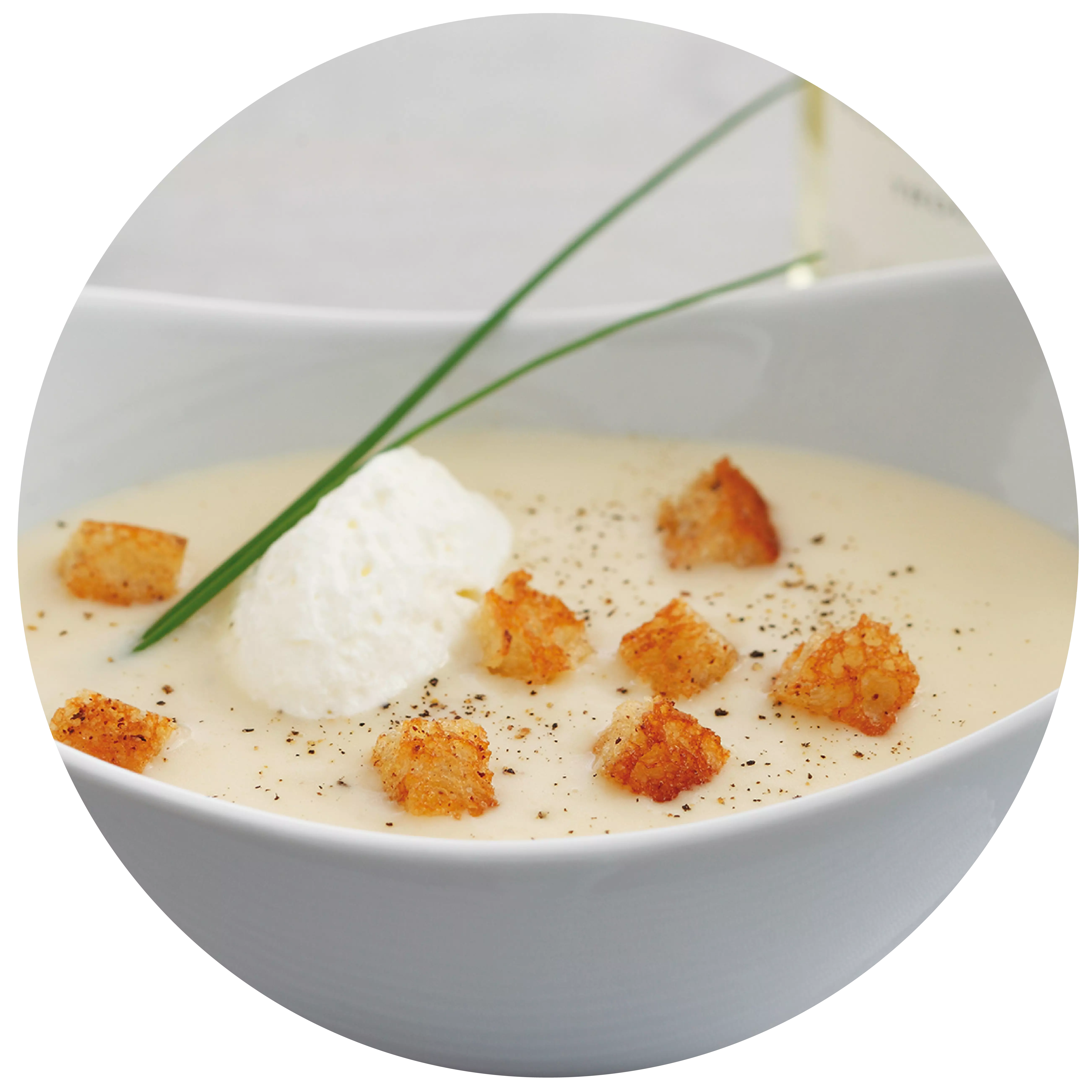
the classic with a difference Franconian cider soup
the classic with a difference
- 500 ml Weißwein (Spätlese)
- 500 ml Geflügelbrühe
- 350 ml Sahne
- 30 Gramm Zwiebeln
- 30 Gramm Weißes vom Lauch
- 30 Gramm Sellerie
- 30 Gramm Karotten
- 30 Gramm Butter
- 180 Gramm Mehl
- 2 Lorbeerblätter
- 1 EL Butterschmalz
- 4 Scheiben Weißbrot
- Nach Belieben Zucker, Muskat, Zimt, Salz
Sauté the vegetables in butter until lightly browned, dust with flour and then add the vegetable stock, wine and 250 ml cream. Add the spices and simmer for approx. 15 minutes.
Remove the crusts from the slices of white bread and cut into 1 cm cubes. Fry in hot clarified butter until golden brown and season with cinnamon, whip the remaining cream until stiff.
<p
Strain the soup and flavour with nutmeg and salt.
Pour into deep plates, garnish with whipped cream and the cinnamon crusts.
- Müller-Thurgau (trocken)
- Silvaner (trocken)
Teaser
-
Young wine in autumn
Autumnal delight -
Federweißer with onion tart
The perfect pairing: Federweißer with onion tart -
Young wine in autumn
The sound of the sea in a glass