
Saale-Unstrut
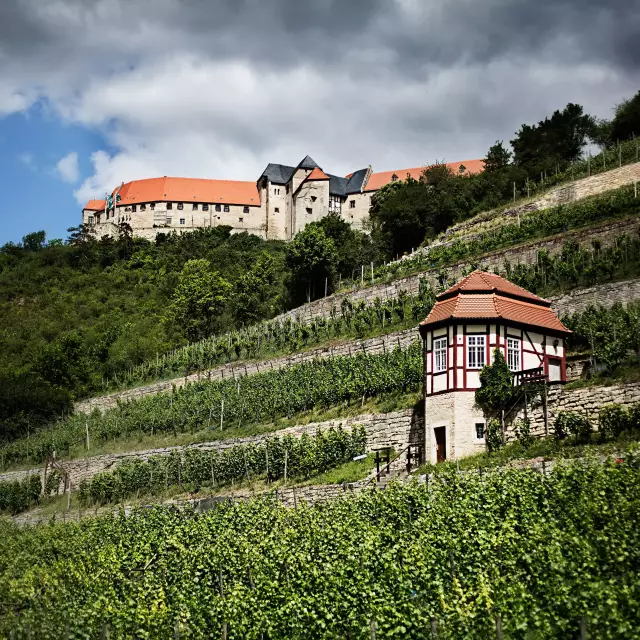
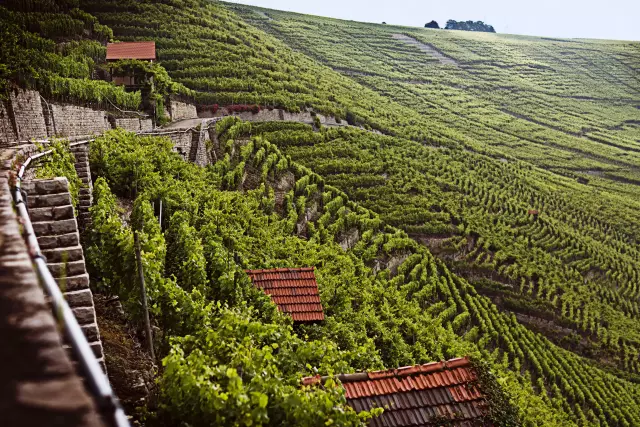
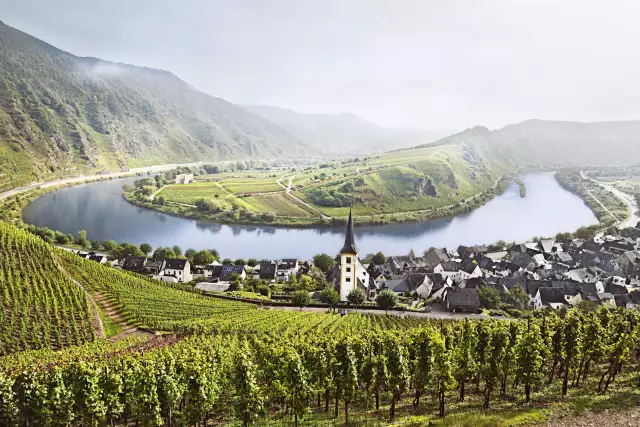
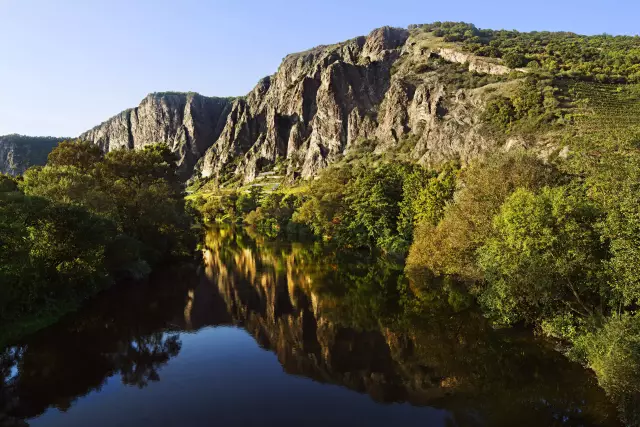
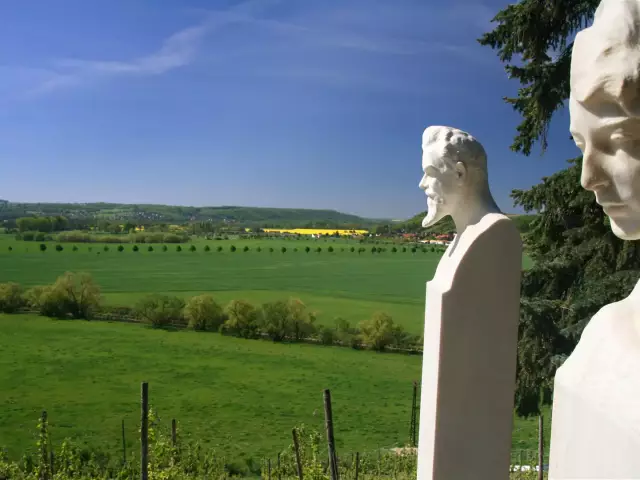
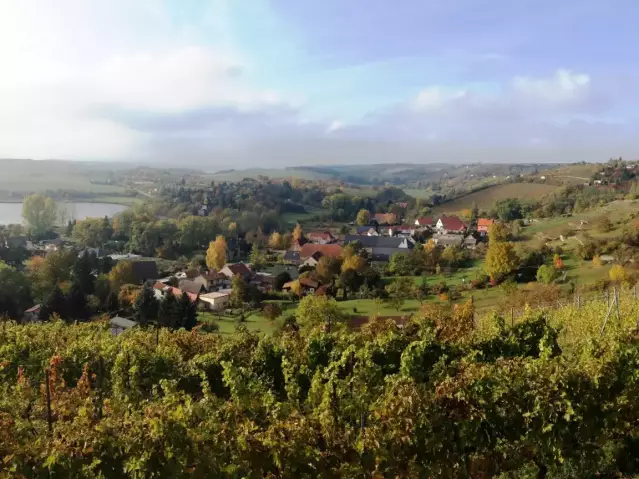
Two rivers give the growing region its name, as the mostly terraced vineyards are mainly located in the narrow river valleys of the Saale and Unstrut rivers.
Facts
-
868 ha
Vineyard area (2025)
-
34
single vineyards
-
1.600
Sunshine hours / year
Situated along the 51st parallel, the region is Germany’s northernmost quality winegrowing area. Despite this geographic position, the climate provides the landscape with surprisingly long vegetation periods. A harmonious balance of sunny days and cool nights results in delicate, crisp wines with clearly defined aromas.
Yet viticulture here is far from effortless: severe winter frosts and dangerous spring frosts make protection a crucial factor. As a result, the vines thrive mainly in sheltered locations—preferably on south‑facing slopes. The river valleys form natural pockets of warmth, creating an especially mild microclimate. With only around 500 millimetres of annual rainfall, the region is among the driest winegrowing areas in Germany, while some 1,600 hours of sunshine offer ideal ripening conditions. The average yield of only 50 hectolitres per hectare reflects the demanding cultivation, yet it also points to the high quality of the grapes.
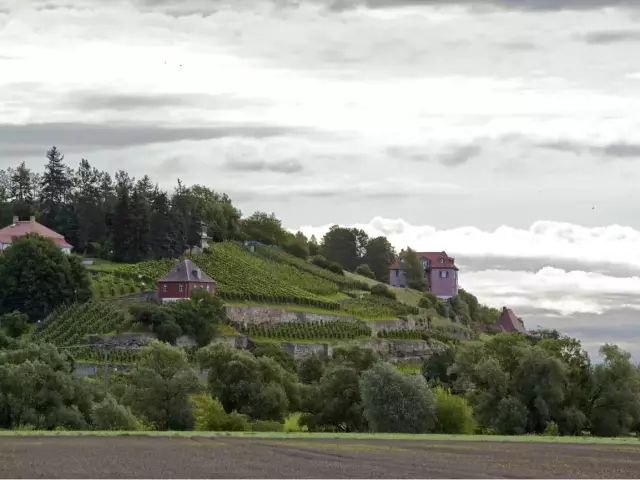
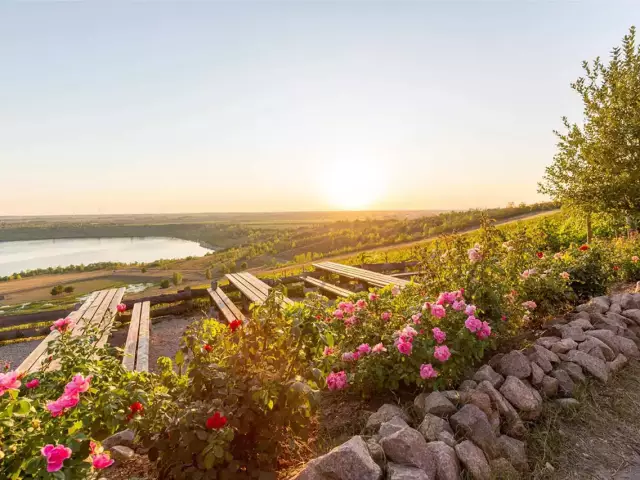
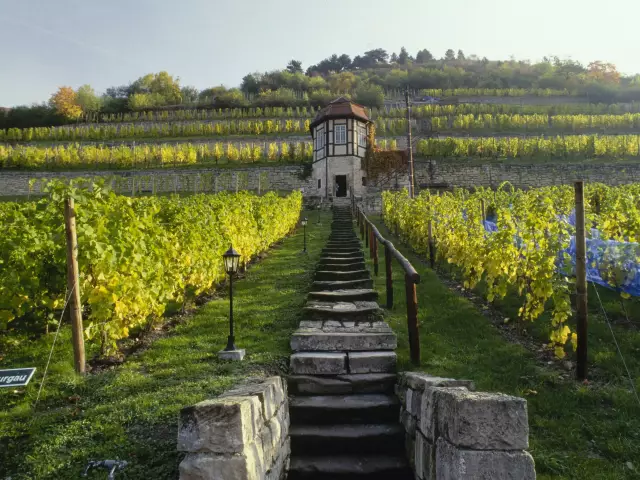
The landscape itself tells a story: steep terraces, centuries‑old dry‑stone walls, small vineyard cottages, orchards and unspoiled river meadows shape the scenery. High above, castles and palaces watch over the valley. Culture and history, nature, romance and wine have been closely intertwined here for centuries. For more than 1,000 years, the vines have given the river landscape its unmistakable character—viticulture along the Saale and Unstrut was first documented in the year 998.
With 868 hectares (2025), Saale‑Unstrut is the largest of the five small German wine regions with fewer than 1,000 hectares of vineyards. The region takes particular pride in its Pinot Blanc (116 ha), which together with Müller‑Thurgau (110 ha) is among the most important grape varieties cultivated along the 51st parallel.
Geographical Location
Situated along the 51st parallel, the region lies in the valleys of the Saale and Unstrut rivers between Weimar and Leipzig. About 30 km farther north is a small outlying group of vineyards near Eisleben, the town where Martin Luther was born and later died.
Major Towns
Freyburg · Naumburg · Bad Kösen
Climate
Continental climate with warm, dry summers and cold winters.
Soil Types
Primarily shell limestone and colored sandstone.
Vineyard Area (2025)
868 ha · 2 districts · 4 collective vineyard sites · 18 individual vineyard sites
Grape Varieties
Müller‑Thurgau · Pinot Blanc (Weißburgunder) · Riesling · Dornfelder · Bacchus · Silvaner
Marketing & Wine Estates
Most vineyards are cultivated by part‑time growers who deliver their grapes to the regional cooperative cellars in Freyburg. Fourteen private estates produce and market their own wines. The state‑owned estate Kloster Pforta—named after the 12th‑century monastery between Bad Kösen and Naumburg—is the largest winery in the region. Annual production varies greatly depending on weather conditions, and nearly all wine is consumed locally.
Signposted Routes Through Wine Country
- Weinstraße (driving) — sections overlap with the Romanesque Road, leading to historic castles and churches
- Wanderweg (hiking)
- Radwanderweg (cycling)
Varietals
Quotes
Highlights of wine culture in Saale-Unstrut

Wineries in the area
-
Show
Wein- und Sektgut Hubertus Triebe
Würchwitz
Winesights
Vinotheques
-
Show
Wein- und Sektgut Hubertus Triebe
Würchwitz
Wine hike Hiking and Cycling Trail
Saale-Unstrut, Germany's northernmost wine-growing region, offers hikers an impressively long network of trails of almost 700 kilometers.
Contact
-
Weinbauverband Saale-Unstrut
06632 Freyburg (Unstrut)- Querfurter Straße 10 Germany