
Proven Qualitiy
Testing of all German Qualtität and Prädikat wines gives more security to the consumer.
Facts
-
Since 1971
every quality wine has been chemically analysed and sensory tested
-
In 2022
7.34 million hectolitres of wine were officially tested for quality
Proven quality
Since 1971, every Qualität and Prädikat wine has been chemically analysed by an approved laboratory and sensory tested by an official body. Only if a wine fulfils all the legally prescribed limits and reflects the character of the variety and its origin in terms of taste does it receive an official approval number. It must be indicated on the label.
The sensory test is carried out by an independent commission, which tastes and evaluates each wine masked. In this way, sensory testing ensures the gustatory quality standard of a wine that it promises with its information on the label.
In addition, the wineries are also visited on site at irregular intervals by state wine inspectors. Among other things, they check the documented harvest quantities and must weights of the different grape varieties as well as purchases and sales.
Awards offer orientation
In addition to the legally required test, the German Agricultural Society (DLG) and other organizations offer quality ratings and awards to wines with above-average quality that can help consumers in their choice. Importantly, all these different competitions have one thing in common: the wines are tested ‘blind’ by an independent expert committee. This ensures the greatest possible objectivity.
Which of the predicate levels has the highest must weight requirements?
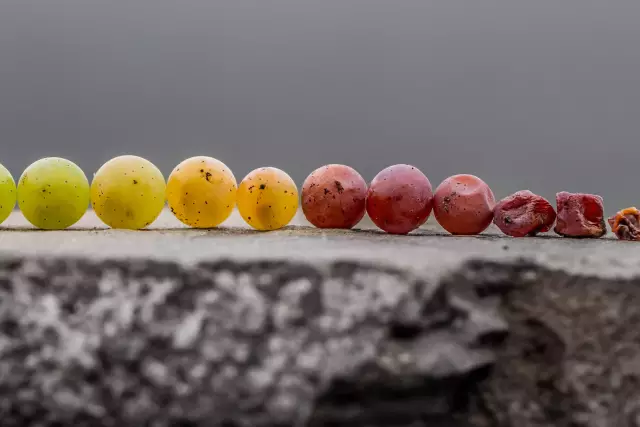
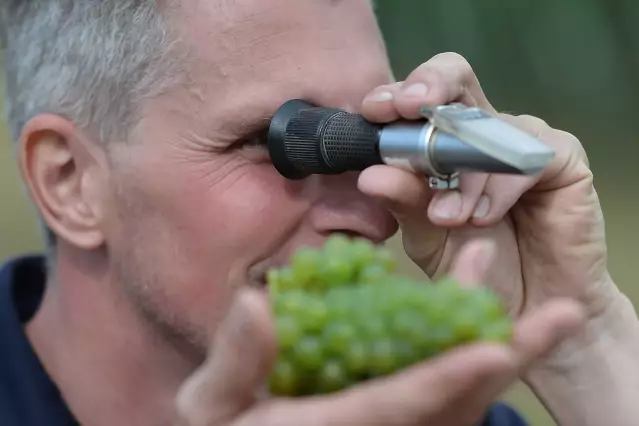
The predicates are Kabinett, Spätlese, Auslese, Beerenauslese (BA), Eiswein and Trockenbeerenauslese (TBA). For TBA, the minimum must weight is 150°Oe, while Eiswein and BA must have "only" 120°Oe.
Varietals
More recipe ideas
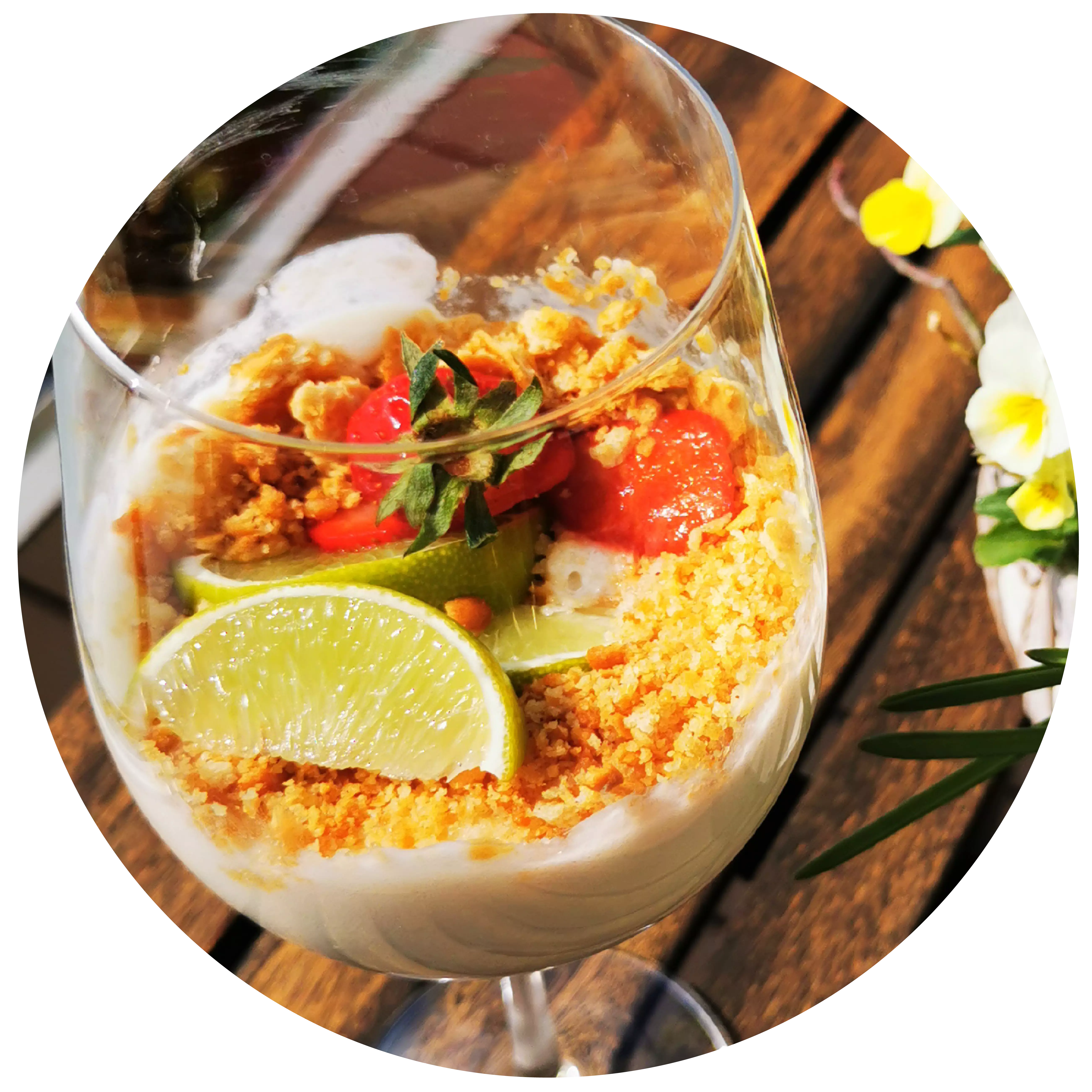
with dry sparkling wine Sparkling wine and lime dessert
with dry sparkling wine
- 300ml Winzersekt
- 4 Limetten
- 100g Zucker
- 30g Speisestärke
- 100g Butterkekse
- 50g ungesalzene Butter
- 2 Eiweiße
- 50g grieschicher Joghurt
- 150g Schlagsahne
Pour the sparkling wine and sugar into a pan. Chill the remaining sparkling wine. Wash 1 lime with hot water and finely grate the zest. Halve the lime and 2 others, squeeze out the juice and mix with the cornflour. Pour everything into the pan and bring to the boil briefly. Remove the pan from the heat and chill the cream in the fridge.
Fill the shortbread biscuits into a freezer bag, crush with a rolling pin and place in a bowl. Melt the butter in a pan, pour over the crumbled shortbread biscuits, add a pinch of salt and mix well. Leave to cool briefly, divide half into large wine glasses and press down firmly.
Cut the lime into slices. Beat the egg whites with salt until stiff. Stir the yoghurt into the chilled champagne and lime cream. Whip the cream until stiff and fold into the cooled cream, one after the other, together with the beaten egg whites. Spread half over wine glasses, add another layer of shortbread biscuits and finish with a layer of cream. Garnish with lime slices and pour in the remaining sparkling wine. Toast and enjoy!
- Riesling (trocken)
- Pinot Blanc (trocken)
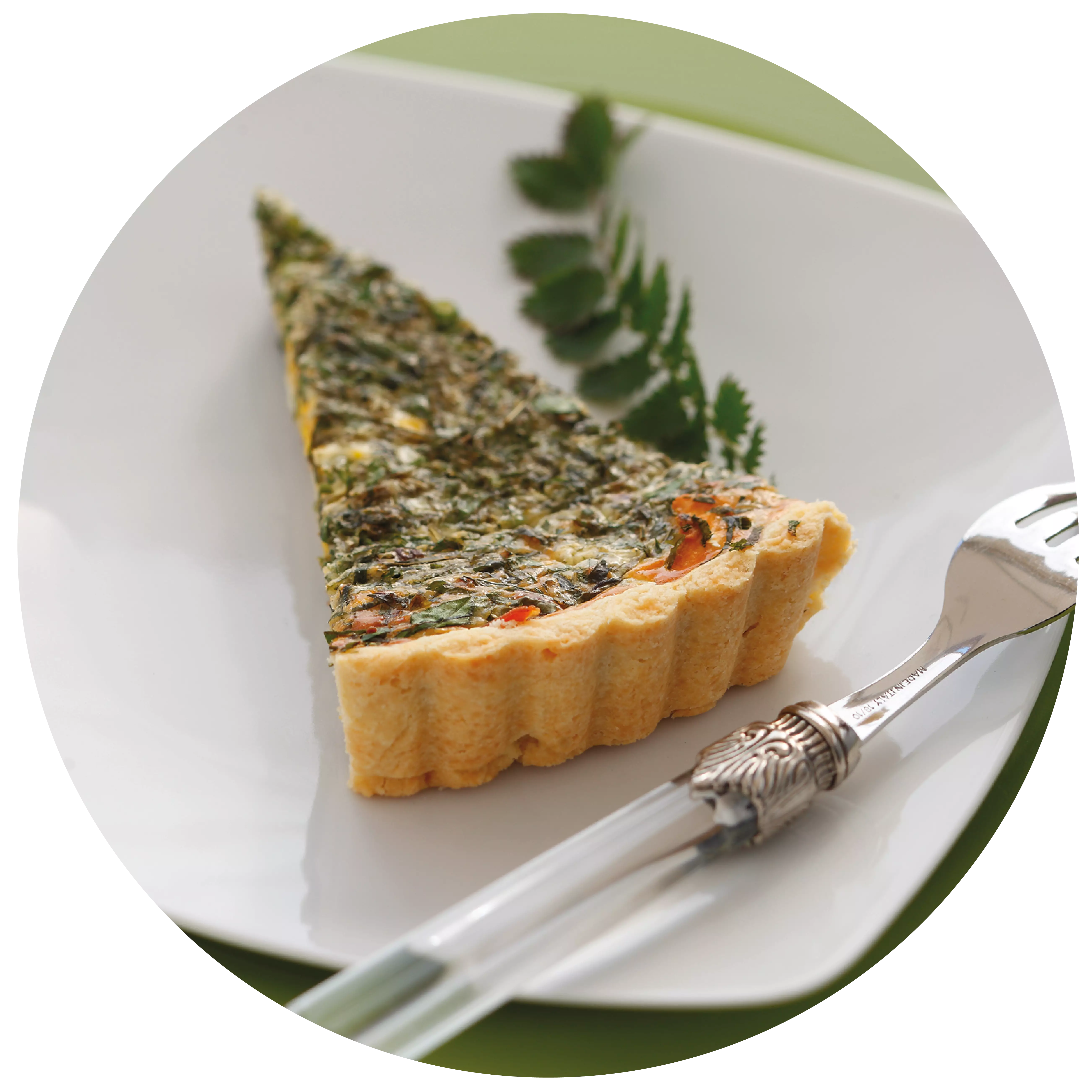
the "Frankfurt Green Sauce" Quiche with herbs
the "Frankfurt Green Sauce"
- 200 Gramm Mehl
- 100 Gramm Butter
- je 1 Bund Kräuter für Frankfurter Grüne Sauce (Petersilie, Kresse, Kerbel, Borretsch, Sauerampfer, Schnittlauch, Pimpernelle)
- 100 - 125 Gramm Schwarzwälder Schinken
- 7 ganze Eier
- 125 ml Sahne
- 100 Gramm Frischkäse
- 1 EL Zitronensaft
- nach Geschmack Salz & Pfeffer
Knead the flour and butter with 4 tbsp water and a teaspoon of salt to form a smooth dough. Line a mould with it and leave to cool for 30 minutes.</p
<p>Hard boil 4 eggs. Wash, drain and finely chop the herbs from the Frankfurt green sauce. Cut the ham into wafer-thin slices and spread on the pastry base. Chop the hard-boiled eggs into small
and spread over the top. Mix the 3 eggs, cream and fresh cheese and season with 1 tbsp lemon juice, salt and pepper, then fold in the herbs. Spread the mixture over the pastry base.
Bake at 180 °C (gas mark 4) on the middle shelf of the oven for about 30 minutes.
- Riesling (trocken)
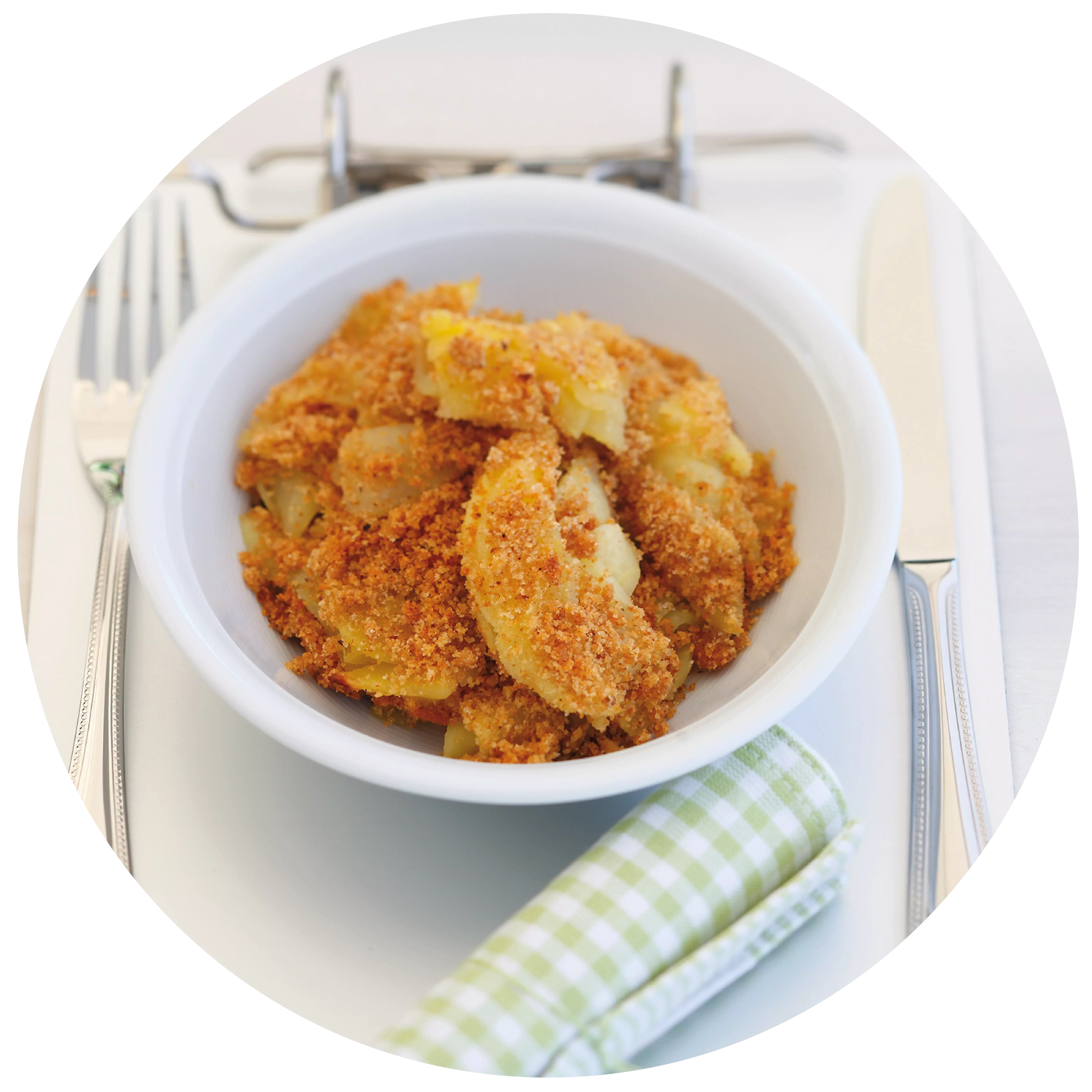
with cinnamon and sugar Odenwald apple soufflé
with cinnamon and sugar
- 1 kg Äpfel
- 250 Gramm Semmelbrösel
- 125 Gramm Zucker
- 2 EL Butter
- 1/2 TL Zimt
- 1 Msp. gemahlene Nelken
- 50 Gramm Rosinen
- 100 ml trockener Weißwein
- 1 EL Rum
- zum Bestreuen Zimt & Zucker
Sauté the breadcrumbs, butter, spices and 2 tbsp sugar in a pan. Peel the apples and cut into slices. Sauté in white wine with rum and sugar until the liquid has almost evaporated.
<p
<p>Fill the greased springform tin alternately with the breadcrumb mixture and apples (bottom and top layer of breadcrumb mixture).
Bake for one ½ hour at 140 °C. Sprinkle with cinnamon and sugar.
- Riesling (lieblich)
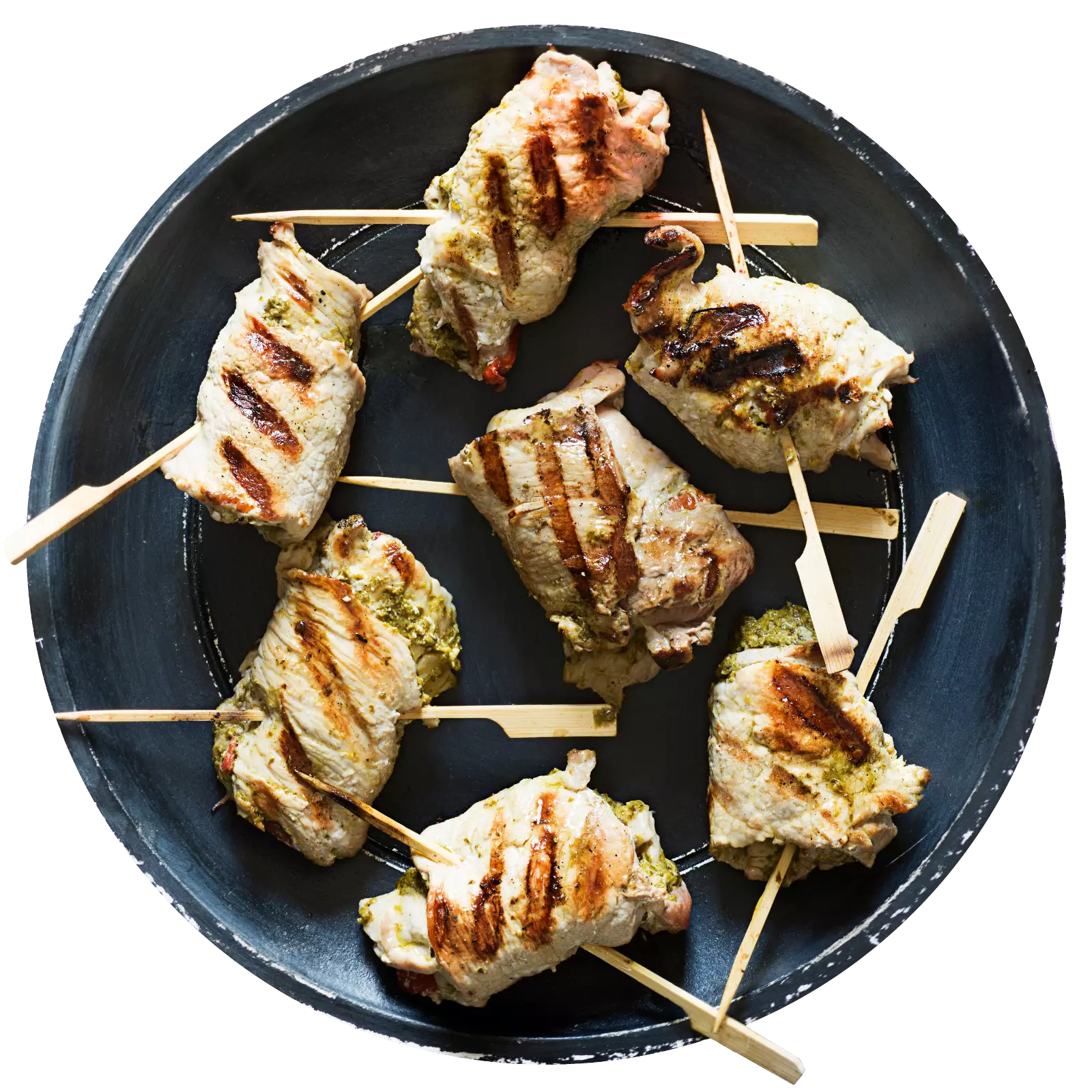
Stuffed, with paprika and pecorino Schnitzel rolls
Stuffed escalope rolls with paprika and pecorino
- Nach Belieben Pinienkerne, Basilikum, Knoblauch
- 8 Stück dünne Schweineschnitzel á ca. 75g & Holzspießchen
- 1 Glas rote geröstete Paprika
- 100 Gramm Pecorino-Käse
- Nach Bedarf Olivenöl, Salz, Pfeffer
Roast the pine nuts and leave to cool. Pluck the basil leaves and place in a blender with the finely chopped garlic, olive oil and pine nuts and blend gently. Finely grate the Parmesan and mix in. Season to taste with salt and pepper.
Wash the meat and pat dry. Drain the paprika in a sieve and finely grate the pecorino. Season the escalopes on both sides with salt and pepper and spread 1 tsp of pesto on each. Cover the escalopes with paprika, leaving approx. 3 cm free on one narrow side of each piece.
Spread the pecorino over the paprika. Roll up the meat from the coated side and pin in place with wooden skewers. Grill the escalope rolls on the barbecue for 20-25 minutes, turning if possible, and indirectly for the last 10 minutes.
- Spätburgunder / Pinot Noir (trocken)
- Lemberger (extra brut)
- Portugieser (trocken)
This might also interest you
-
Wine knowledge Prädikat Categories All about Kabinett, Spätlese, Auslese, Beerenauslese, Eiswein and Trockenbeerenauslese in a nutshell.
Learn more -
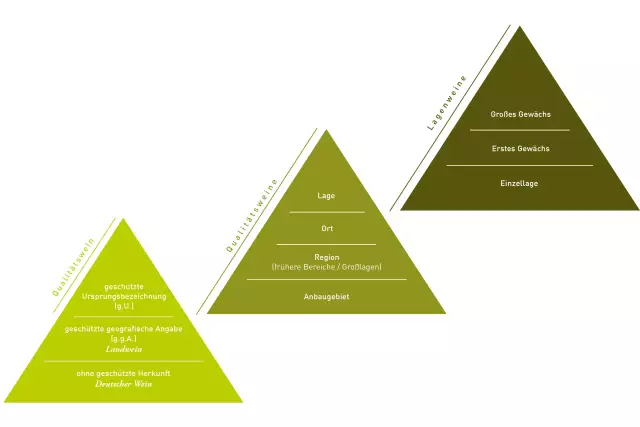
Wine knowledge New Origin Pyramid for Qualität and Prädikat Wines The German wine law changes
Learn more