
Rosé
Facts
How is Rosé wine made?
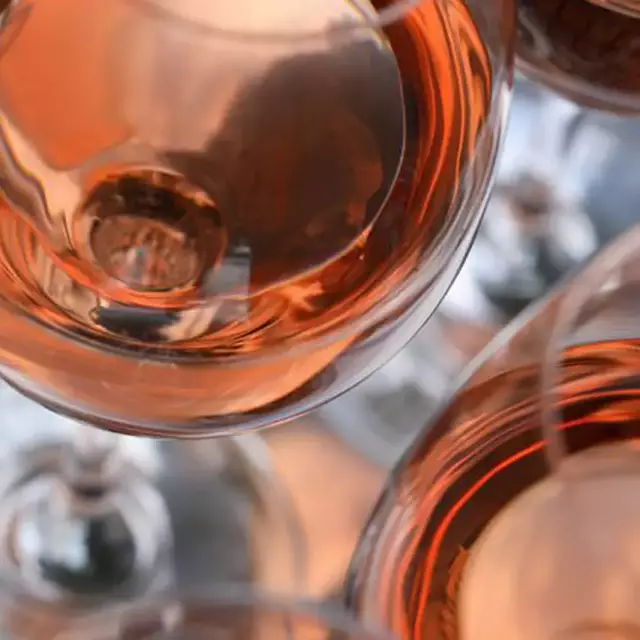
In order to create Rosé, the red grapes are only lightly pressed initially. The so-called mash resulting from this light pressing is then left to rest for a while, to give the pigments in the grape skin time to colour the juice. Once the grape juice has taken on the desired shade of pink, the mash is pressed fully and the rosé-coloured juice is fermented into wine.
But not every rosé-coloured wine is called “Rosé”. Sometimes, you’ll find the term “Weißherbst” on the label. Since Weißherbst, as opposed to rosé, is always a single variety wine, the grape variety used in its production also has to be mentioned on the label. However, the term Rosé is more recognized internationally.
Varieties
Another rosé-coloured wine you might come across is Rotling. This is a special variety of rosé wine, produced by the joint pressing and fermentation of red and white wine grapes.
The so-called “Schillerwein” is a traditional Rotling from the wine-growing region Württemberg. No particular grape varieties are stipulated to produce Schillerwein.
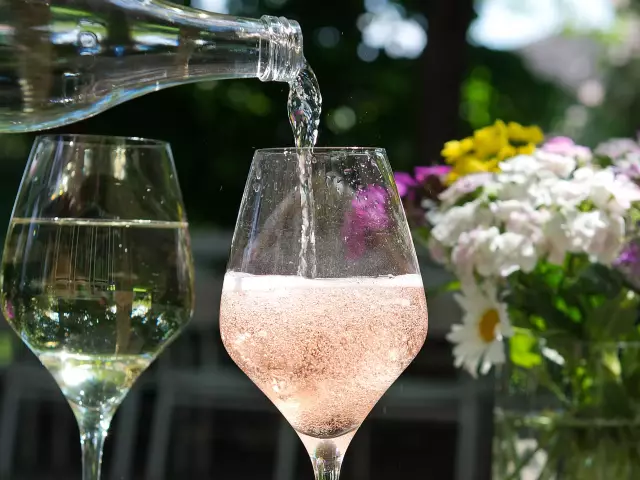
Rosé wines are suitable companions at any time of the year. As a rule, they are served at a drinking temperature of 9-13 degrees centigrade, but during the warm summer months you might choose to cool them down even further, since they will warm up faster in higher ambient temperatures.
Enjoyment
Rosé and Weißherbst wines and their sparkling varieties make for a delightful aperitif or a companion for starters such as tapas and antipasti. We also recommend them with selected fish and barbecue dishes. Since they are naturally low in fruit acids and tannins, many wine lovers also enjoy having them with Asian specialities such as curries or Thai food. Also try mild, semi-hard cheeses such as Edam or young Gouda with delicately fresh and dry rosé-coloured wines: perfect harmony.
And, naturally, Rosé and Weißherbst wines are great partners for a fresh and fruity summer punch. Have a Pinot Noir Rosé together with strawberries and marvel at a combination that will not just tickle your taste buds but also please your sense of colour.
Which grape varieties make up "Badisch Rotgold" - a type of Rotling?
By definition: A "Badisch Rotgold" is composed of Pinot Gris and Pinot Noir and as the name suggests it comes from the Baden growing region.
Varietals

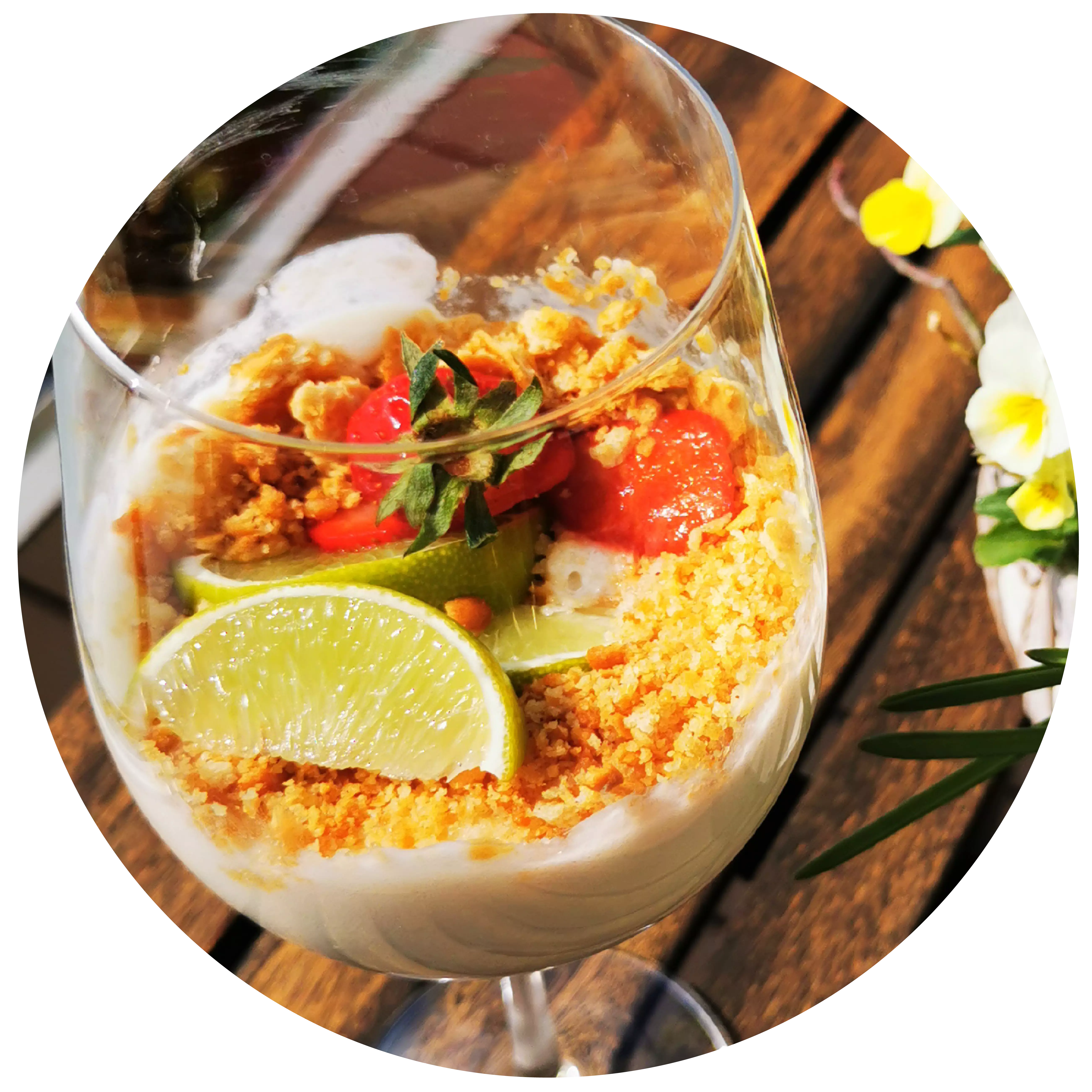
with dry sparkling wine Sparkling wine and lime dessert
with dry sparkling wine
- 300ml Winzersekt
- 4 Limetten
- 100g Zucker
- 30g Speisestärke
- 100g Butterkekse
- 50g ungesalzene Butter
- 2 Eiweiße
- 50g grieschicher Joghurt
- 150g Schlagsahne
Pour the sparkling wine and sugar into a pan. Chill the remaining sparkling wine. Wash 1 lime with hot water and finely grate the zest. Halve the lime and 2 others, squeeze out the juice and mix with the cornflour. Pour everything into the pan and bring to the boil briefly. Remove the pan from the heat and chill the cream in the fridge.
Fill the shortbread biscuits into a freezer bag, crush with a rolling pin and place in a bowl. Melt the butter in a pan, pour over the crumbled shortbread biscuits, add a pinch of salt and mix well. Leave to cool briefly, divide half into large wine glasses and press down firmly.
Cut the lime into slices. Beat the egg whites with salt until stiff. Stir the yoghurt into the chilled champagne and lime cream. Whip the cream until stiff and fold into the cooled cream, one after the other, together with the beaten egg whites. Spread half over wine glasses, add another layer of shortbread biscuits and finish with a layer of cream. Garnish with lime slices and pour in the remaining sparkling wine. Toast and enjoy!
- Riesling (trocken)
- Pinot Blanc (trocken)
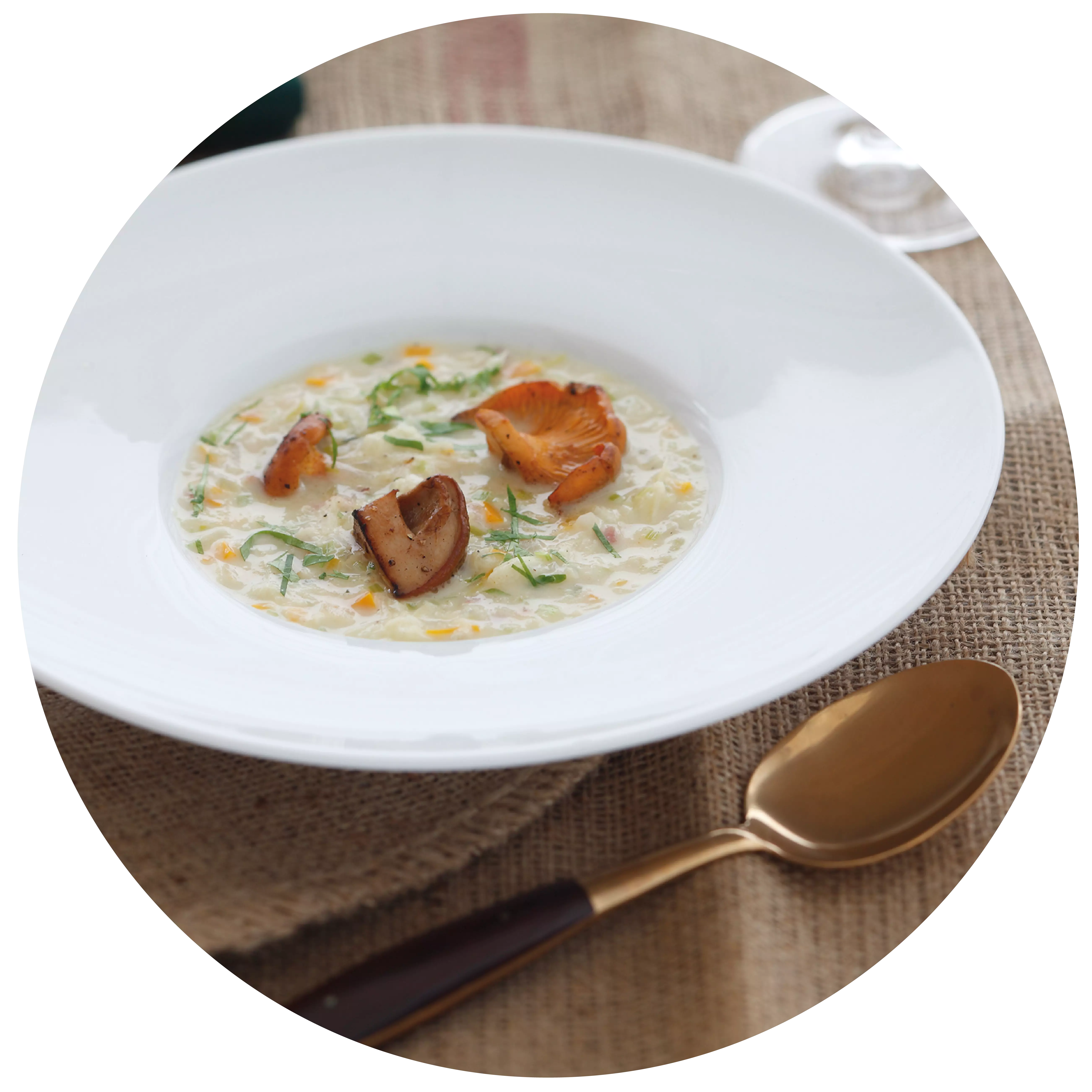
with wild mushrooms Cream of potato soup
with wild mushrooms
- 300 Gramm geschälte Kartoffeln
- 100 Gramm Wurzelgemüse
- 100 Gramm Waldpilze
- 1 ganze Zwiebel
- 1 ganze Knoblauchzehe
- 30 Gramm Speckwürfel
- 40 Gramm Margarine
- 750 ml Brühe
- 200 ml Sahne
- 1 Zweig Thymian
- nach Belieben Petersilie, Butter, Salz, Pfeffer, Muskat
Clean, wash and finely dice the root vegetables. Finely dice the onion and garlic clove and finely chop the thyme. Sauté the diced bacon with the margarine in a pan until lightly browned, add the diced onion, garlic, root vegetables and thyme. Sauté, add the stock and cook for 2 minutes.
Finely grate the potatoes, add to the soup and cook for a further 5 minutes, add the cream, season and flavour. Clean, wash and chop the mushrooms and sauté in a pan with butter. Season with salt and pepper, sprinkle with chopped parsley and pour over the soup when serving.
- Riesling (trocken)
- Riesling (halbtrocken & feinherb)
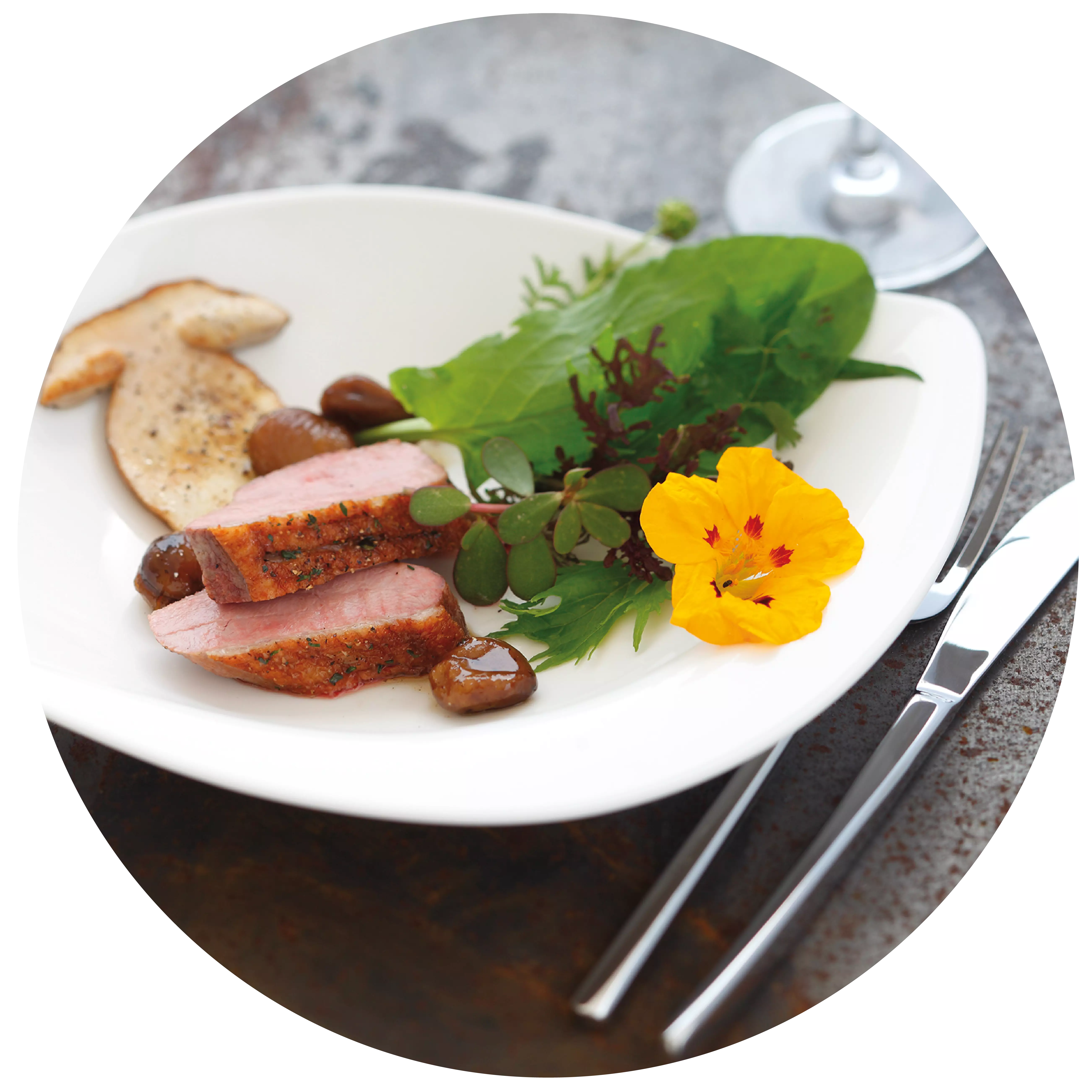
with wild duck breast, porcini mushrooms and glazed chestnuts Herb salad
with wild duck breast, porcini mushrooms and glazed chestnuts
- 150 Gramm Wildkräuter
- 4 EL Olivenöl
- 2 EL Balsamessig
- 8 Stück Wildentenbrüste (a 100g)
- 2 EL Sonnenblumenöl
- 4 EL Honig
- 1 EL Thymian
- 200 Gramm Steinpilze
- 20 gekochte Maronen
- 100 ml Apfelsaft
- 2 El Zucker
- nach Belieben Salz & Pfeffer
Clean, wash and pat dry the wild herbs. Marinate with olive oil and balsamic vinegar and season with salt and pepper.
Preheat the oven to 220°C top and bottom heat. Season the wild duck breasts with salt and pepper, sear on the meat side in a pan with sunflower oil and cook in the preheated oven for about 8 minutes on the skin side. Remove the duck breast, brush the skin side with honey and thyme and roast for another 2 minutes on a high heat until crispy.
Clean the porcini mushrooms and cut into slices. Fry in a pan in oil on both sides, remove and keep warm. Caramelise the sugar in the pan, deglaze with the apple juice and simmer until the caramel has dissolved. Add the chestnuts and add a little more apple juice if necessary.
- Pinot Blanc (trocken)
- Gutedel (trocken)
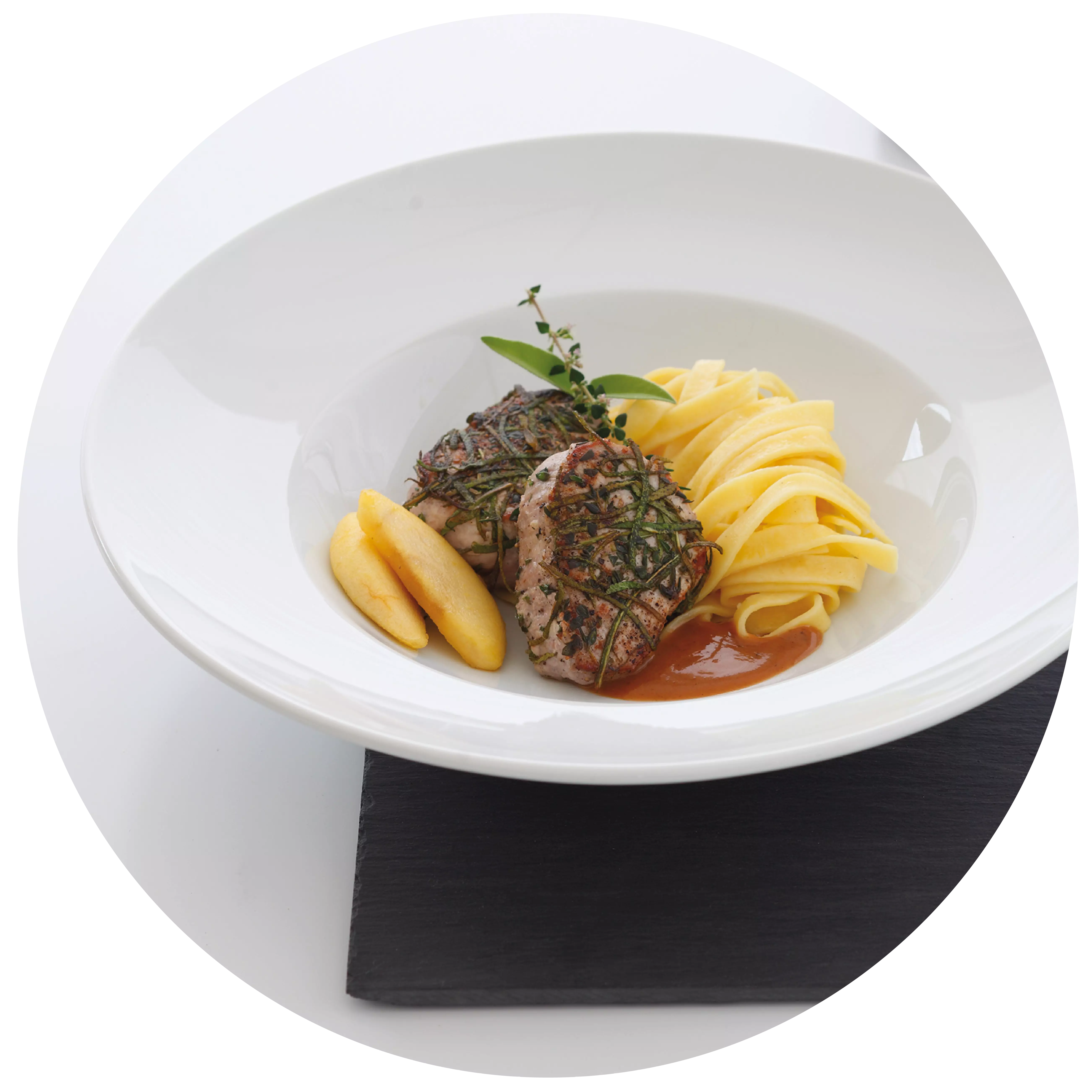
with apples Pork medallions
with apples
- 8 Stück Schweinemedaillons
- 500 Gramm Bandnudeln
- 2 große Äpfel
- 200 ml Sahne
- 10 Blättchen frischer Salbei
- 4 Zweige frischer Thymian
- nach Geschmack Zucker
- 3 EL Calvados
- 1 EL Öl
- zum Abschmecken Salz & Pfeffer
Slightly pepper and salt the medallions on both sides. Pluck the thyme, cut the sage into fine strips and roll the medallions in the herbs. Fry the meat in a pan with a little oil on both sides, not too hot, until it starts to colour. Remove from the pan and place on a preheated tray in the oven at 100 °C until cooked through.
Cook the tagliatelle al dente and keep warm.
In the meantime, peel the apples and cut into slices approx. 1.5 cm wide. Reheat the meat pan and add the apple slices. After about half a minute, sprinkle 1 teaspoon of sugar over the apples and allow them to caramelise. After a minute, deglaze the apple slices with a generous dash of Calvados and flambé. Add the cream and flavour with salt and pepper.
Remove the fillet from the oven. Add the meat juices from the oven dish to the sauce and serve the fillets with the tagliatelle, apple slices and Calvados apple sauce.
<p- Riesling (trocken)