
Sustainability in winegrowing

Sustainable farms take into account ecology, economy and social concerns in equal measure. Every step of the process, from pruning the vines to shipping, should be as sustainable as possible.
Facts
Wineries that are certified as sustainable take ecological, economic, and social aspects into account equally. Every step of the process—from pruning the vines to shipping the wine—should be sustainable and as resource-efficient as possible. In the field, for example, this means using pesticides and fertilizers only as needed and in accordance with sustainability and environmental protection criteria.
Social Aspects and Use of Materials
Social aspects come into play, for example, through fair compensation for employees and opportunities for continuing education.
In the bottled wine industry, thin-walled bottles can contribute to greater sustainability, as they require less energy to manufacture and transport.
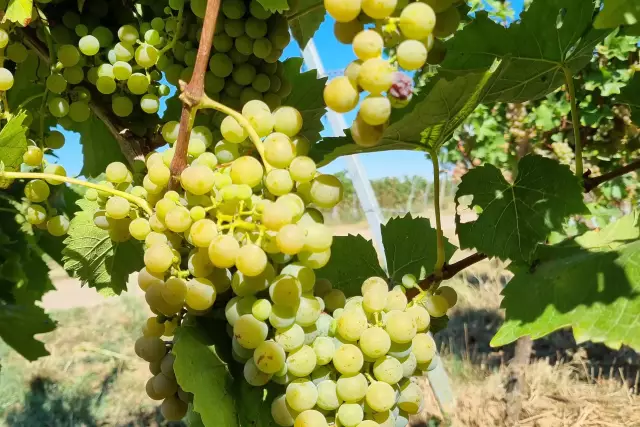
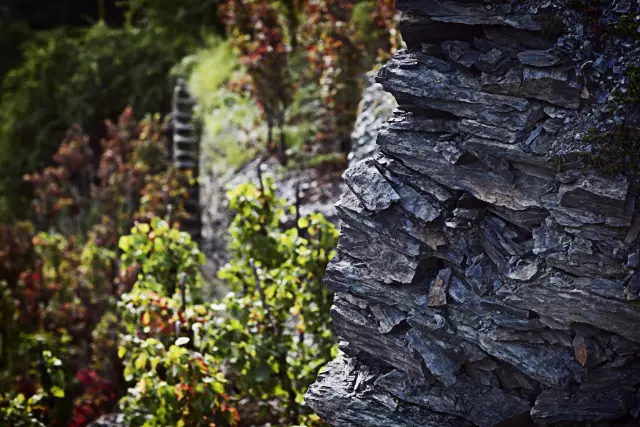
In the vineyard this means preserving the viticultural landscape with its ecological diversity in an environmentally friendly way by only using pesticides and fertilisers that fulfil sustainability criteria.
The CO2 footprint can be reduced during distribution, for example, by using lighter, thin-walled bottles, as these are more resource-efficient to produce and transport. In marketing, there is also the possibility of using freight companies that work in a sustainable manner instead of delivering the wines with the producers' own transporters.
At the winery, resources are sourced sustainably and used as efficiently as possible, for example by switching to green electricity or installing solar panels.
Fair'n Green, Fairchoice, and Ecostep Wine
The difference between purely organic farming and sustainable viticulture is that the certification guidelines for organic farms primarily cover environmental aspects. Certification by recognized organizations such as Fair'n Green, Fairchoice, and Ecostep Wein also incorporates social and economic aspects into their work. In doing so, they pursue a holistic approach to sustainable viticulture.
With which glass color can the largest amount of waste glass be incorporated?
In the case of green glass, slightly more than 60% waste glass is incorporated on average, with peak values of 90%. The reason for these high percentages is the good tolerance of green glass to off-color.
This might also interest you
-
Wine knowledge PIWI - fungus-resistant vines Especially resistant to fungal diseases
Learn more